Overview
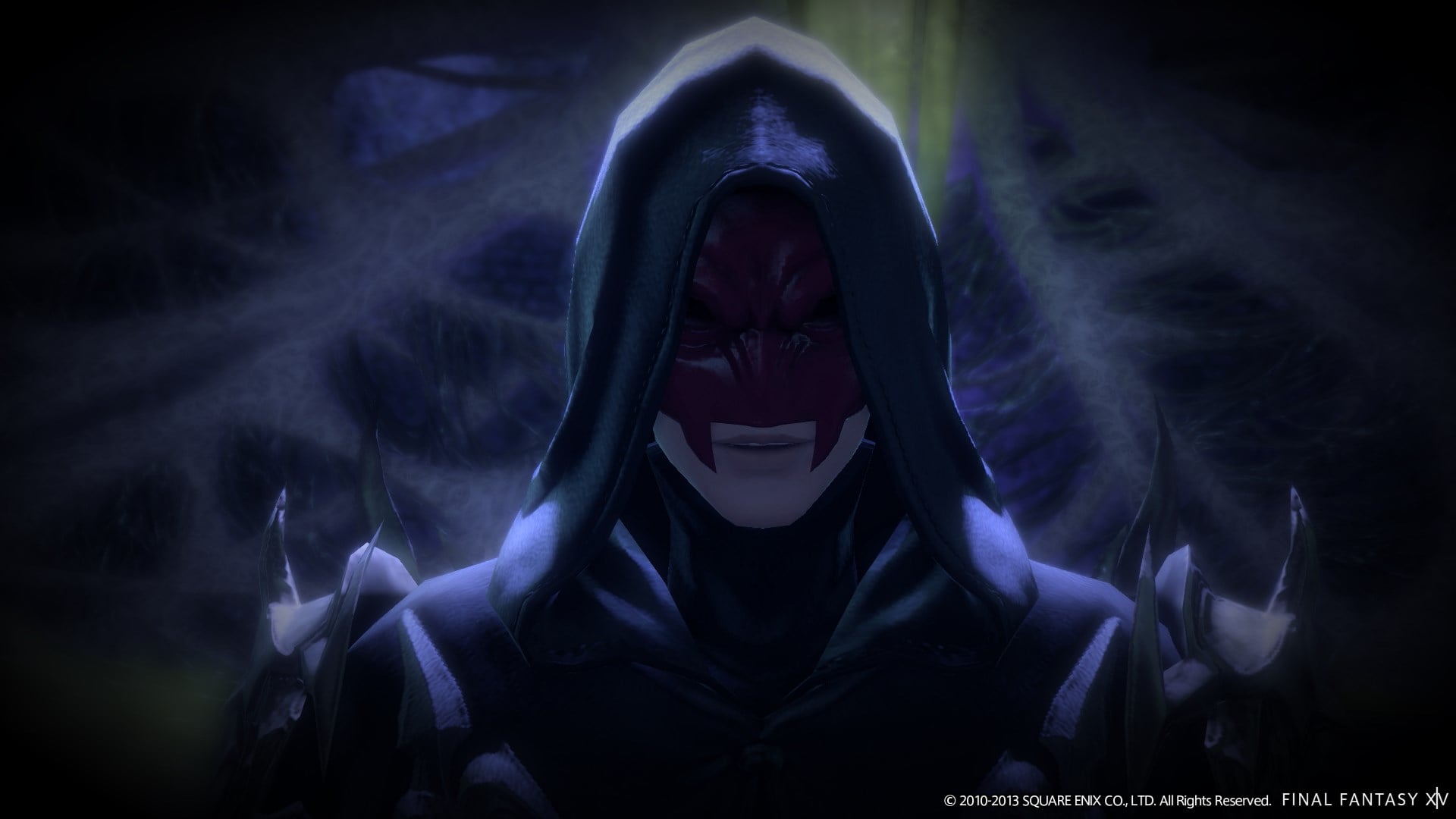
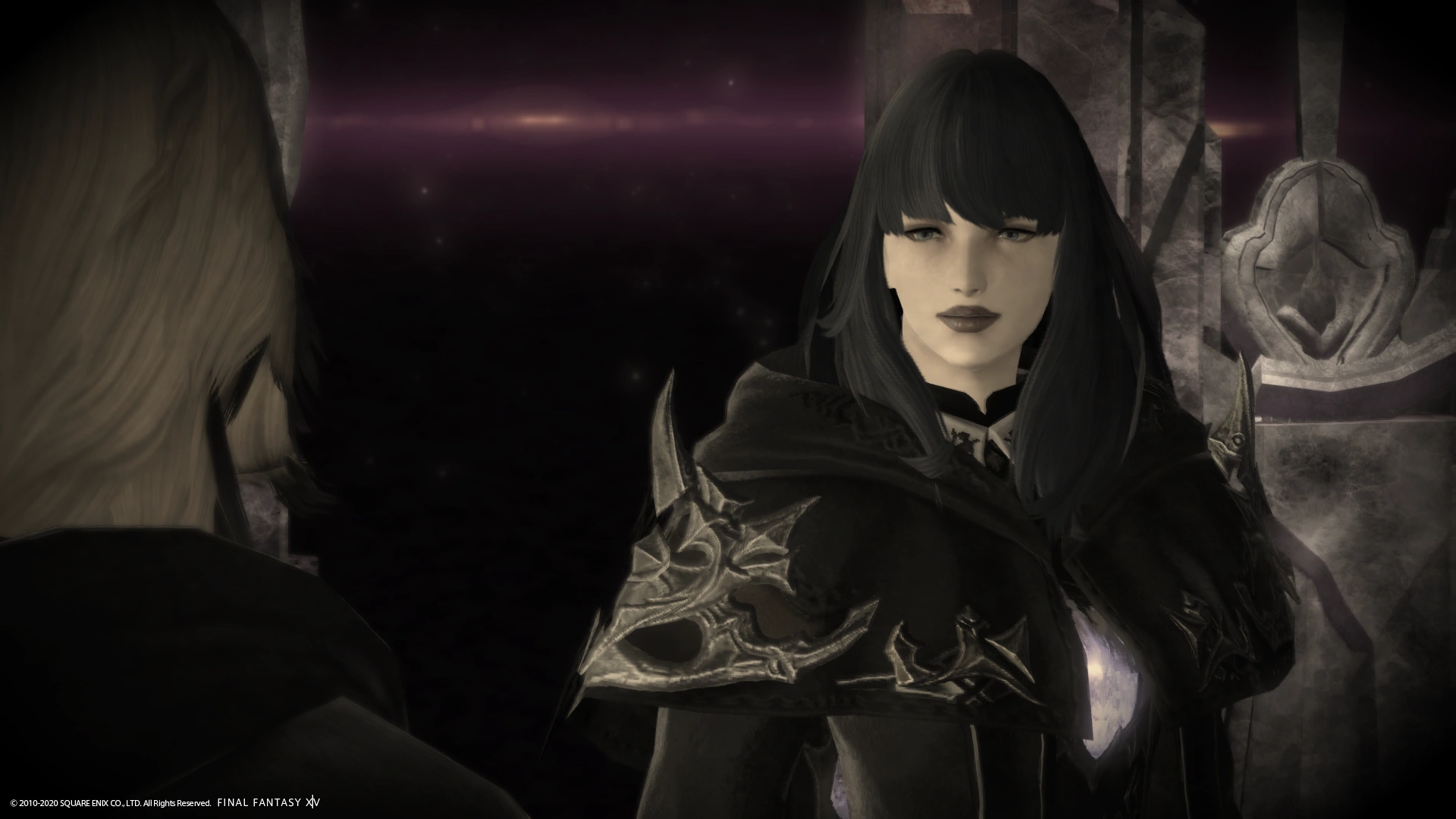
Elidibus, bearing the title of the Emissary, stands as the third of the Unsundered Ascians — the oldest and most formidable servants of the primal god Zodiark. Once the youngest member of the ancient Convocation of Fourteen, he willingly surrendered his very soul to form the heart of Zodiark, a sacrifice so total that it gradually stripped away his memories and sense of self across countless millennia. Where his counterparts Lahabrea and Emet-Selch retained their identities, Elidibus became something closer to a living abstraction: a being defined entirely by a duty whose original purpose he could no longer fully recall.
History & Lore
Origins in the Ancient World
In the age before the Sundering, Elidibus served as a member of the Convocation of Fourteen, the governing body of the ancient Amaurotine civilization. He was the youngest among them, yet his role would prove the most self-annihilating of all. When the Convocation resolved to summon Zodiark as a means of halting catastrophic loss of life, Elidibus did not merely contribute his memories to the primal as others did — he became its very core, embedding his soul within the god as a stabilizing essence.
This act of total self-offering set him apart from every other Ascian. While Lahabrea and Emet-Selch retained coherent personalities and continuous memory across the eons, Elidibus began a slow dissolution. The identity of the young man who had once sat on the Convocation eroded piece by piece, leaving behind a figure increasingly defined by function rather than feeling.
Role Among the Ascians
Within the hierarchy of the Ascians, Elidibus occupied the position of Emissary — a title that reflected his primary function as a diplomat, messenger, and orchestrator of events across the Source and its reflections. Where Lahabrea served as a schemer of direct action and Emet-Selch operated with sardonic intellectual authority, Elidibus moved through the world with a measured, almost detached composure, engineering circumstances rather than confronting them outright.
His responsibilities included maintaining the broader Ascian agenda of rejoining the sundered shards with the Source, thereby restoring Zodiark to full power. To this end he cultivated proxies, manipulated factions, and appeared at critical junctures throughout history, always presenting himself as a neutral or even benevolent presence to those who did not understand his true nature.
Personality and the Erosion of Self
Elidibus presents a composed and enigmatic exterior, speaking with careful precision and rarely betraying strong emotion. Unlike Emet-Selch, who wore his grief and contempt openly, or Lahabrea, whose ambition could curdle into cruelty, Elidibus maintains an almost clinical serenity. This quality is not merely a diplomatic affectation — it reflects the genuine hollowing of his inner life over millennia of service.
As his memories faded, so too did the personal convictions that had once motivated his sacrifice. He continued to pursue Zodiark's restoration not out of remembered love for his lost civilization, but because duty itself had become the only thing remaining in him. This makes him a uniquely tragic figure: a man who gave everything for a cause and, in doing so, lost the very capacity to understand why he had cared.
Relationships with the Unsundered
The dynamic between Elidibus and his fellow Unsundered Ascians is shaped by the vast difference in how each of them endured the ages. Emet-Selch, who retained full memory of Amaurot and its people, regarded the world with a grief-laden bitterness that Elidibus could no longer fully share. Lahabrea, driven by ambition and resentment, operated on impulses that Elidibus had long since ceased to feel with any comparable intensity.
In a sense, Elidibus functioned as the steadying center of the Ascian triad — not because he was the wisest or most powerful in the moment, but because his identity had been subsumed into purpose itself. His relationships with others, including the Warrior of Light, are filtered through this same lens: he engages not as a person connecting with other persons, but as an emissary fulfilling a role, even when the original mandate behind that role has grown dim.
Conflict with the Warrior of Light
Throughout the events of the main scenario, Elidibus operates largely from the shadows, surfacing at key moments to test, observe, or redirect the Warrior of Light rather than to destroy them outright. His approach differs markedly from the more confrontational methods of his brethren. He presents himself at times as almost reasonable, even sympathetic, which makes him a more unsettling presence than an openly hostile enemy.
His direct confrontations with the Warrior of Light ultimately force a reckoning with what he has become. The battles against him are not simply contests of strength but encounters with the tragedy of a being who has outlasted his own humanity, continuing to fight for a world he can no longer remember loving.
Fate and Legacy
The conclusion of Elidibus's story is among the most melancholy in the saga. Stripped of the last vestiges of personal memory and identity, he becomes in his final form something barely distinguishable from the abstract duty he had served for so long. His defeat does not carry the same weight of conscious sacrifice that marks the end of Emet-Selch; instead, it is the quieting of a mechanism that had long since forgotten it was once a man.
His legacy within the broader narrative serves as a cautionary counterpoint to the other Unsundered. Where Emet-Selch's story asks what it means to remember too much, Elidibus's asks what remains when everything is forgotten. He stands as a monument to the cost of absolute devotion — a soul so thoroughly given over to a cause that nothing of the giver survived.