Overview
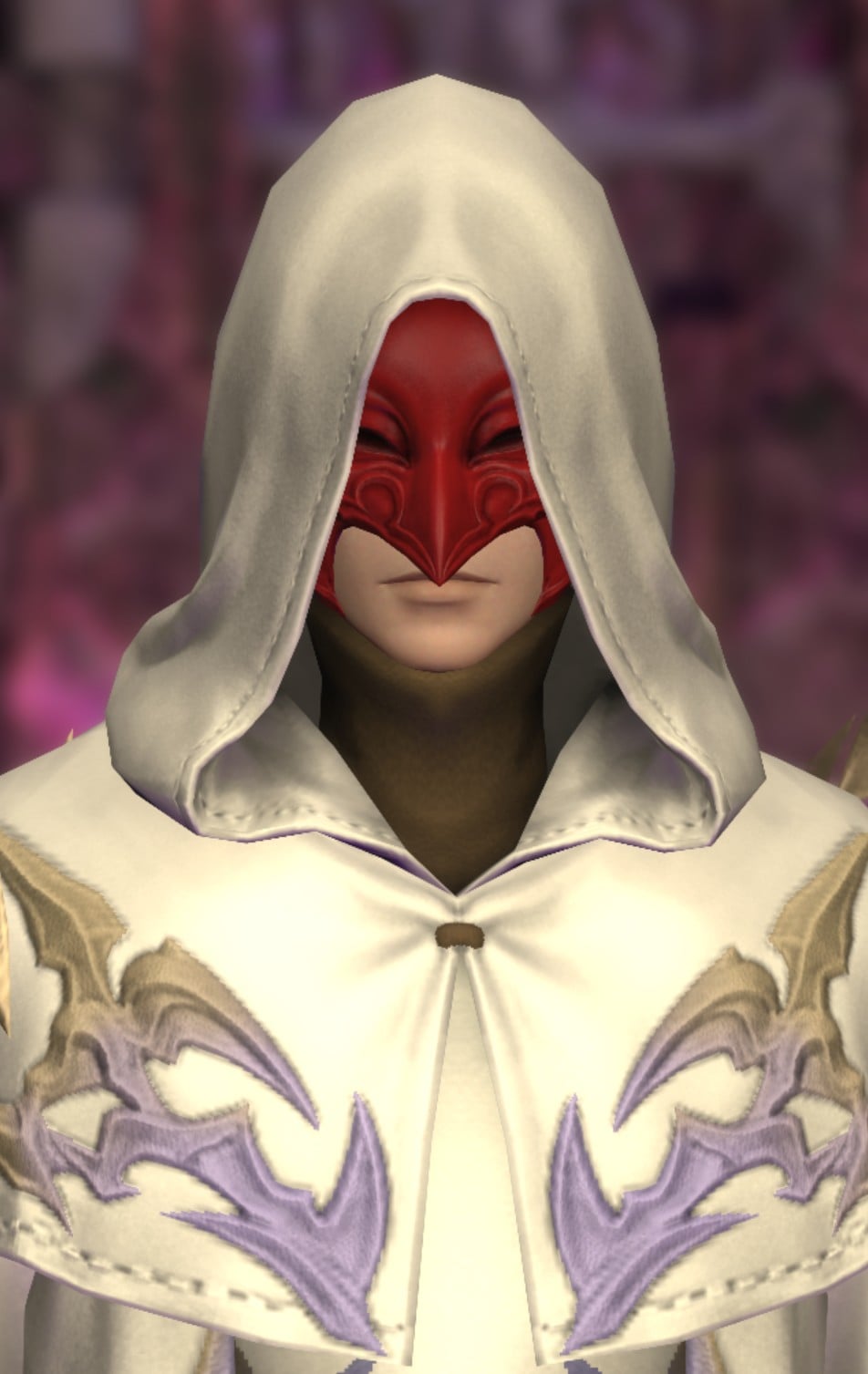
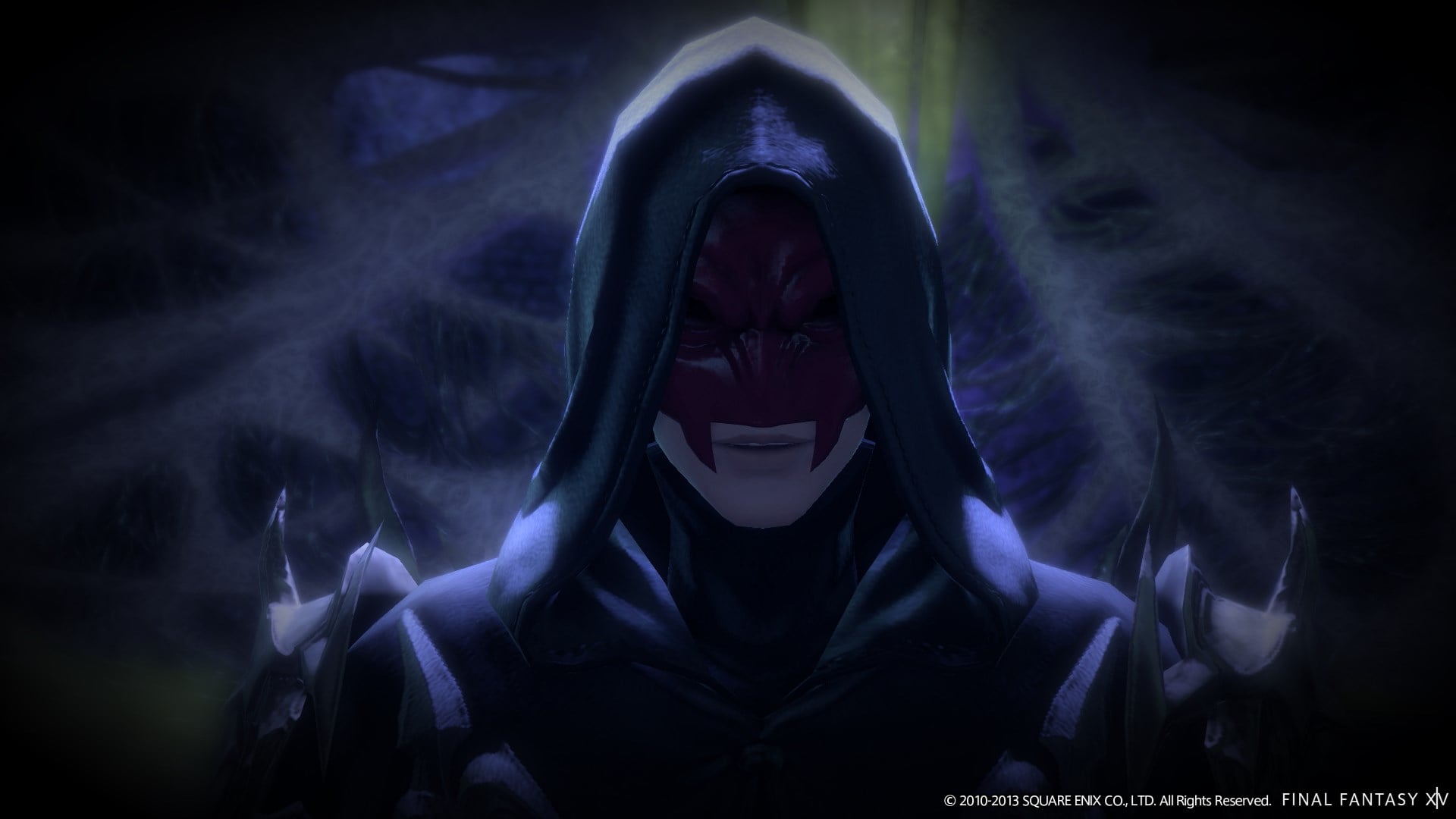
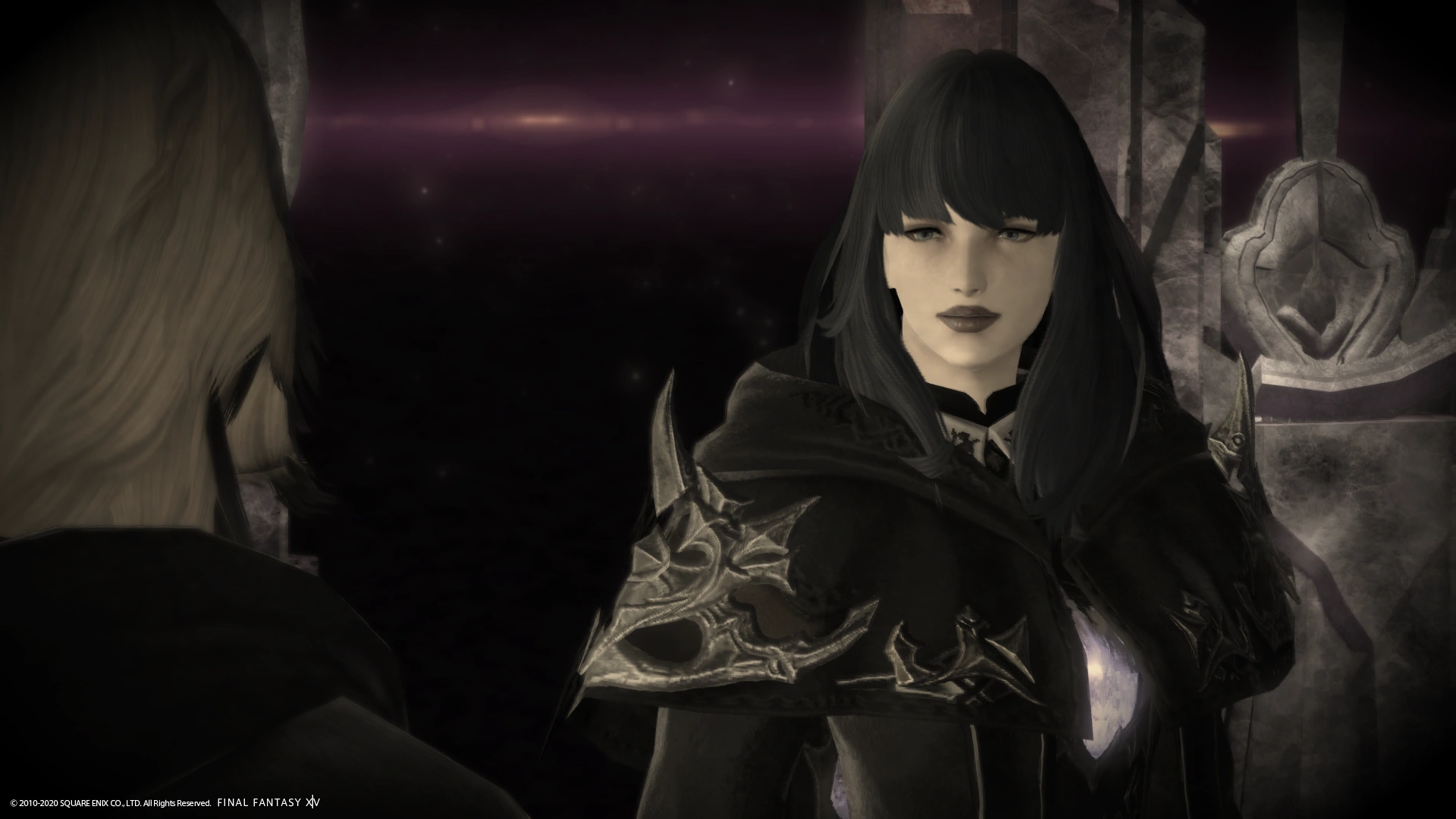
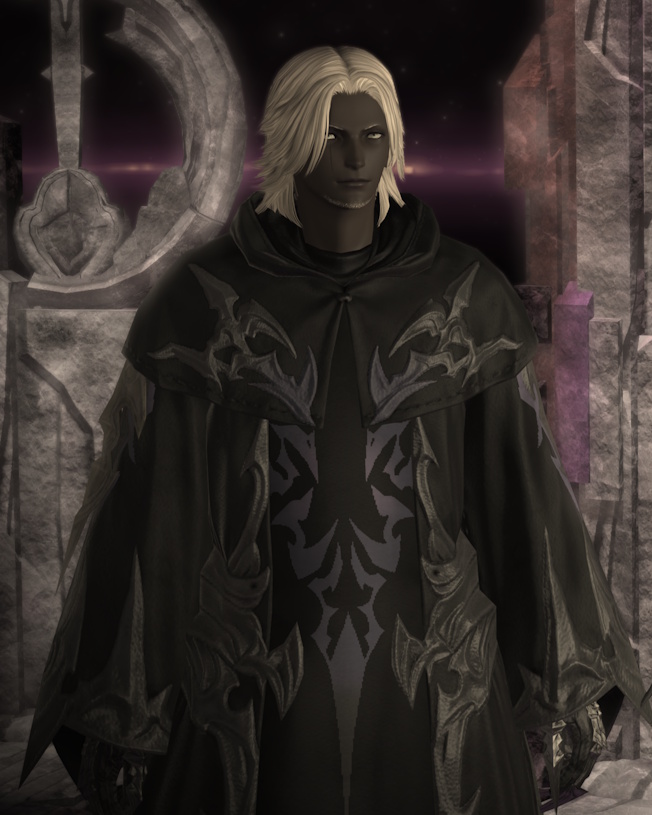
Emet-Selch is one of the three Unsundered Ascians, ancient beings who survived the apocalyptic sundering of the star and have worked for millennia to restore their lost world. Holding the seat of Emet-Selch on the Convocation of Fourteen in the ancient city of Amaurot, his true name is Hades. A master of creation magicks, he is a figure of immense power, profound grief, and tragic purpose. To the people of the Source, he is best known as Solus zos Galvus, the founder and first emperor of the Garlean Empire, a role he crafted to sow chaos and engineer calamities. In Shadowbringers, he emerges as the expansion's central antagonist, challenging the Warrior of Light not with simple villainy, but with a poignant, millennia-old lament for a paradise lost.
History & Lore
Life in Ancient Amaurot
In the unsundered world, Hades was a respected member of Amaurot's ruling body, the Convocation of Fourteen. His seat, Emet-Selch, carried the duty of overseeing the aetherial sea and the Underworld. He possessed a peerless talent for creation magicks, able to weave complex, permanent constructs from aether with a precision few could match. This ability made him instrumental in shaping the ancients' utopian civilization. He was close friends with fellow Convocation members Hythlodaeus and Azem, the latter being the seat later held by the Warrior of Light's ancient counterpart. Hades was known for a dry, often sardonic wit and a deep, if sometimes hidden, compassion for his people.
The Final Days and the Sundering
When the Final Days—a mysterious wave of existential despair that transformed living beings into monsters—began to consume the star, the Convocation proposed a desperate solution: the summoning of Zodiark, a primal of immense power, to rewrite the laws of reality and halt the apocalypse. Hades, though conflicted, supported this plan. Zodiark was summoned using the sacrificed lives of half the ancient population, and he succeeded in stopping the devastation. To repair the ravaged world, Zodiark required a second sacrifice of half the remaining population.
This plan was opposed by Venat and her followers, who feared an endless cycle of sacrifice. They summoned Hydaelyn, a primal of balance, to challenge Zodiark. Their clash resulted in the Sundering: the star and its souls were fractured into fourteen pieces—the Source and thirteen reflections. Hades, along with Lahabrea and Elidibus, survived this event intact, becoming the Unsundered. Every other soul, including those of his friends and people, was split into incomplete fragments. From that moment, Hades dedicated his existence to reversing the Sundering and restoring the world he knew.
The Architect of Calamity: Solus zos Galvus
Believing the sundered souls of the new world to be inferior, "broken" shadows of true life, Hades embarked on a grand, patient design to force Rejoinings. A Rejoining occurs when a reflection is destroyed and its aether merges back into the Source, strengthening Zodiark's prison and bringing the restoration of the ancient world one step closer.
To orchestrate these events, he needed a catalyst for chaos and conflict on the Source. Taking the form of a Garlean man named Solus zos Galvus, he founded the Garlean Empire. He introduced magitek—technology that could be used by the non-magical Garleans—and forged them into a ruthless, expansionist military power. Under his guidance as emperor, Garlemald conquered nations like Ala Mhigo, Doma, and Dalmasca, deliberately sowing the strife and imbalance necessary to trigger Calamities (the Source's manifestation of a Rejoining). After Solus's body died, Emet-Selch manipulated the empire from behind the scenes while Varis served as emperor. He did not possess Varis.
Shadowbringers: The Trial on the First
Emet-Selch's plans converged on the First reflection, which was being consumed by a Flood of Light. He appeared to the Warrior of Light, who had been drawn to the First to avert its destruction, not as an immediate enemy, but as a weary, observant guide. He proposed a test: if the Warrior of Light could cleanse the First of its Lightwardens and survive the accumulated Light, it would prove that sundered beings had the strength and worth to inherit the star. He would then cease his efforts.
During this time, he revealed the true history of the Ascians and the Sundering. In a grand display of his power and his grief, he recreated the lost city of Amaurot in the depths of the Tempest sea, a perfect, haunting memorial to his people. He invited the Warrior of Light to walk its streets, hoping they would understand the beauty of what was lost and the righteousness of his cause.
When the Warrior of Light succeeded in containing the Light but remained a sundered being, Emet-Selch declared the test a failure. In his eyes, they were still a "broken" fragment, unworthy of the legacy they defended. At the site he named the Dying Gasp, he shed his Ascian guise and transformed into his true, ancient form: the dread avatar Hades. In a climactic battle, he was ultimately defeated by the Warrior of Light and their allies.
In his final moments, his malice faded, leaving only the profound sorrow of a man who had carried the memory of a dead world for twelve thousand years. His parting words became an iconic plea: "Remember us. Remember that we once lived."
Legacy in Endwalker
Emet-Selch's influence extended beyond his death. In Endwalker, the Warrior of Light travels back in time to the ancient world of Elpis, where they meet a younger, pre-Sundering Hades. This encounter reveals a more openly irritable yet principled man, dedicated to his work and his friends. He is unaware of the future tragedy that awaits him, providing a heartbreaking contrast to the weary immortal he would become.
Later, at the edge of the universe during the final confrontation with the Endsinger, a shade of Emet-Selch—alongside Hythlodaeus and the spirit of the ancients—appears to lend his strength to the Warrior of Light. He acknowledges, at last, that the sundered world and its people have proven their worth, choosing to fight for their future rather than cling solely to the past.
Personality & Traits
Emet-Selch is defined by a crushing, millennia-long grief. He views the sundered races not with hatred, but with a tragic, condescending pity, seeing them as pitiable ghosts compared to the "complete" souls of the ancients. This perspective allows him to justify the countless lives lost to his schemes. Despite his weariness, he possesses a sharp, theatrical wit and a flair for the dramatic, often speaking with a tone of bored exasperation. Beneath the layers of cynicism and sorrow lies the core of Hades: a man who loved his home, his friends, and his people with a depth that ultimately drove him to commit atrocities in their name. His complexity—as a genocidal architect yet a mourning guardian—has cemented his status as one of the most compelling and tragic antagonists in video game history.